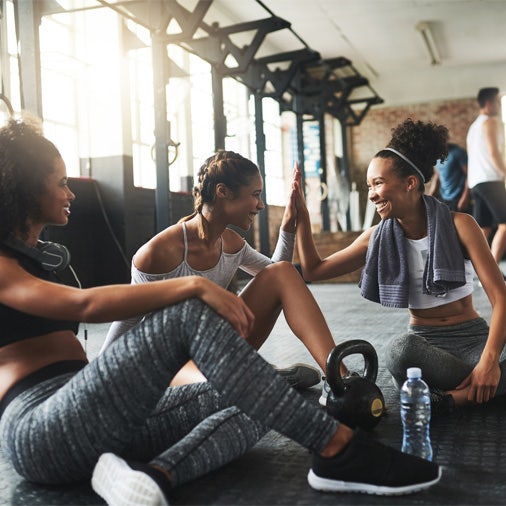
Women’s health is complex, and their fitness journeys are just as unique. Prioritizing wellness isn’t just empowering; it’s essential for feeling strong, energized, and confident over time.
When women move with intention, learn about their bodies, and connect with others, they build a foundation for lasting health and personal growth.

Heather Cherry
NBC-HWC, IC-FHS, CPT, NTP, Content Strategist
Why Fitness for Women Matters
Hormone changes, pregnancy, and menopause all affect how women train and recover. Differences in muscle and bone structure also play a role. Designing fitness and wellness around women’s unique needs turns movement into a powerful tool for building strength, balance, and long-term vitality.
Fitness and wellness offer many benefits for women:
- Cardio supports heart health and blood flow.
- Strength training builds muscles and protects bone density.
- Recovery improves mood, reduces stress, and boosts mental focus.
Yet despite these benefits, body image narratives for women in fitness persist. Ideas like “lifting makes you bulky” or “cardio is the only way to burn fat” can hold women back. The truth? Strength training builds lean muscle, and effective fat loss comes from a smart balance of movement and nutrition.
Women’s Fitness Tips: Empowering Women Through Exercise
Strength training is one of the best ways for women to build muscle, protect bone mineral density, and improve how the body uses energy. Resistance training works by creating small tears in muscle fibers, which rebuild stronger, leading to more lean muscle and fueling a faster metabolism.
Here’s how strength training supports women's health:
- Balanced Hormones: Key hormones like growth hormone, testosterone, and estrogen, all contribute to muscle development, energy metabolism, and effective recovery.
- Better Insulin Response: Muscles use sugar (glucose) by increasing insulin sensitivity. This means your muscles become better at absorbing glucose from the bloodstream and using it for energy, which regulates blood sugar levels and reduces fat storage.
- Excess Post-Exercise Oxygen Consumption (EPOC), also known as the afterburn effect: After a workout, your body keeps burning calories to repair muscles and restore energy, giving you a metabolic boost.
- Lean Muscle Growth: Muscle is metabolically active, meaning it burns calories even at rest. The more lean muscle you build, the more efficiently your body works for you around the clock.
- More Non-Exercise Activity Thermogenesis (NEAT): As you get stronger, everyday movement becomes easier—so you walk more, stand longer, and stay active, adding to your total daily calorie burn known as non-exercise activity thermogenesis.
- Stronger Bones: Weight-bearing exercises that target the spine and hips—like squats, lunges, and deadlifts—are especially effective for maintaining and improving bone density. This becomes increasingly important as estrogen levels decline with age, since lower estrogen can accelerate bone loss and increase the risk of osteoporosis.
Hormone Health and Exercise
Women’s hormones are uniquely different from men’s—and they have a big impact on how women feel and perform during workouts. Hormonal changes throughout the menstrual cycle can influence energy levels, recovery time, and workout performance.
Understanding these shifts helps women train smarter, feel better, and embrace their unique physiology.
Training with cycle awareness isn’t about limits—it’s about working with a female body’s natural rhythm. Women's fitness tips for cycle synced fitness include:
- Menstruation (Day 1 of Cycle): Honor the body’s need for rest. Gentle movement, hydrating, eating nourishing iron-rich foods, and using this time to reflect and reset goals.
- Follicular Phase (Days 1–14): Lean into rising energy. Lift heavier, try new movements, and prioritize protein for recovery.
- Ovulation (Around Day 14): Take advantage of peak power. Go for explosive workouts, chase personal bests, and add flexibility to stay balanced.
- Luteal Phase (Days 15–28): Shift to a more supportive approach. Moderate intensity, recovery, and self-care as the body prepares to rest and reset.
Training During Menopause
Menopause triggers a significant hormonal shift, most notably a decline in estrogen. As estrogen levels drop, women may experience reduced muscle mass and strength, decreased bone density, joint stiffness, and lower energy levels. This can lead to increased risks of osteoporosis, sarcopenia (muscle loss), and joint pain—collectively known as the musculoskeletal syndrome of menopause.
These changes not only affect physical performance but also impact mobility, balance, and overall quality of life.
Fitness for women and training during menopause isn’t about slowing down, it’s about adapting:
- Incorporate Flexibility and Mobility Work: Reduce stiffness, improve posture, enhance balance, and support coordination through stretching, foam rolling, and functional movements.
- Prioritize Strength Training: Maintain muscle mass, boost metabolism, improve insulin sensitivity, and protect bone health.

The Role of Recovery
Recovery is essential. For women, it’s a critical part of maintaining hormonal balance, reducing inflammation, and calming the nervous system. But recovery isn’t just about rest; it’s about regulating key hormones like cortisol (essential in stress response, metabolism, immune function, and even aging).
Cortisol, often called the “stress hormone,” follows a natural rhythm—rising in the morning to energize the body and tapering off at night to support restful sleep. When this rhythm is disrupted by chronic stress, poor sleep, or intense training without adequate recovery, cortisol can remain elevated.
Over time, this imbalance may contribute to fatigue, weight gain, mood swings, and even reduced bone and muscle health. The imbalance can be more prominent, especially during menopause when estrogen levels decline.
For women, managing cortisol through intentional recovery practices is essential for lasting health and wellness. These practices include:
- Active recovery, like walking, swimming, or gentle yoga.
- Balanced nutrition to stabilize blood sugar and reduce inflammation.
- Breathwork and meditation to calm the nervous system.
- Consistent sleep routines to support hormonal repair.
- Mobility work to ease joint stiffness and improve movement quality.
Nutrition for Women
Nutrition needs shift throughout a woman’s life, reflecting changes in hormones, metabolism, and physical demands. In early adulthood, nutrition plays a key role in supporting energy levels, hormonal balance, and reproductive health. Nutrients like iron, calcium, and omega-3s are important during this phase to fuel activity and regulate mood.
As women age, their nutritional focus often shifts toward preserving lean muscle, maintaining bone density, and reducing inflammation. Protein becomes increasingly important for muscle repair and strength, while calcium and vitamin D support bone health. Anti-inflammatory foods (leafy greens, berries, and healthy fats) help manage joint pain and support heart health.
Women can optimize their energy, resilience, and long-term wellness by aligning nutrition with each life stage.
Support Women with Purpose: Empower Her with Expertise
NASM equips fitness and wellness professionals with expert-led insights and actionable tools to support women at every stage of life. From hormone health to postpartum recovery, NASM women’s health programs deliver science-backed strategies to train female clients safely and effectively.
Support every aspect of her well-being with NASM women’s health programs, including:
- Certified Nutrition Coach (CNC):Use nutrition and coaching strategies to help clients build sustainable habits and feel empowered around food.
- Certified Personal Trainer (CPT):Learn to build safe, effective workout and fitness plans with proven training methods and movement science.
- Certified Wellness Coach (CWC): Empower clients to take charge of their well-being with behavior change strategies that support mental, emotional, and physical health.
- Corrective Exercise Specialization (CES): Identify movement dysfunctions to improve mobility, reduce injury risk, and help clients move with confidence.
- Women’s Fitness Specialization:Train clients with confidence using science-backed methods specific for female hormone health, pre- and post-natal fitness, and coaching techniques that build trust and consistency.
Empowering Women Through Everyday Wellness
You don’t need a title to make an impact. Supporting women’s wellness starts with intention and action.
- Create or join group workouts and wellness events to build community.
- Encourage the women in your life to move with purpose, rest intentionally, and reflect often.
- Explore NASM women-focused programs that align with diverse wellness goals.
- Highlight resources that support holistic wellness for women.
- Post your fitness journey on social media to inspire and uplift others.
Every action—strength training, walking, and nourishing the body to choosing rest—builds strength, confidence, and connection. When women move with intention, they spark change, inspire others, and reshape the meaning of wellness.